
Certificates of analysis (CoA)
On saleLOT #OW20250413
13 Apr 2025 · Janoshik
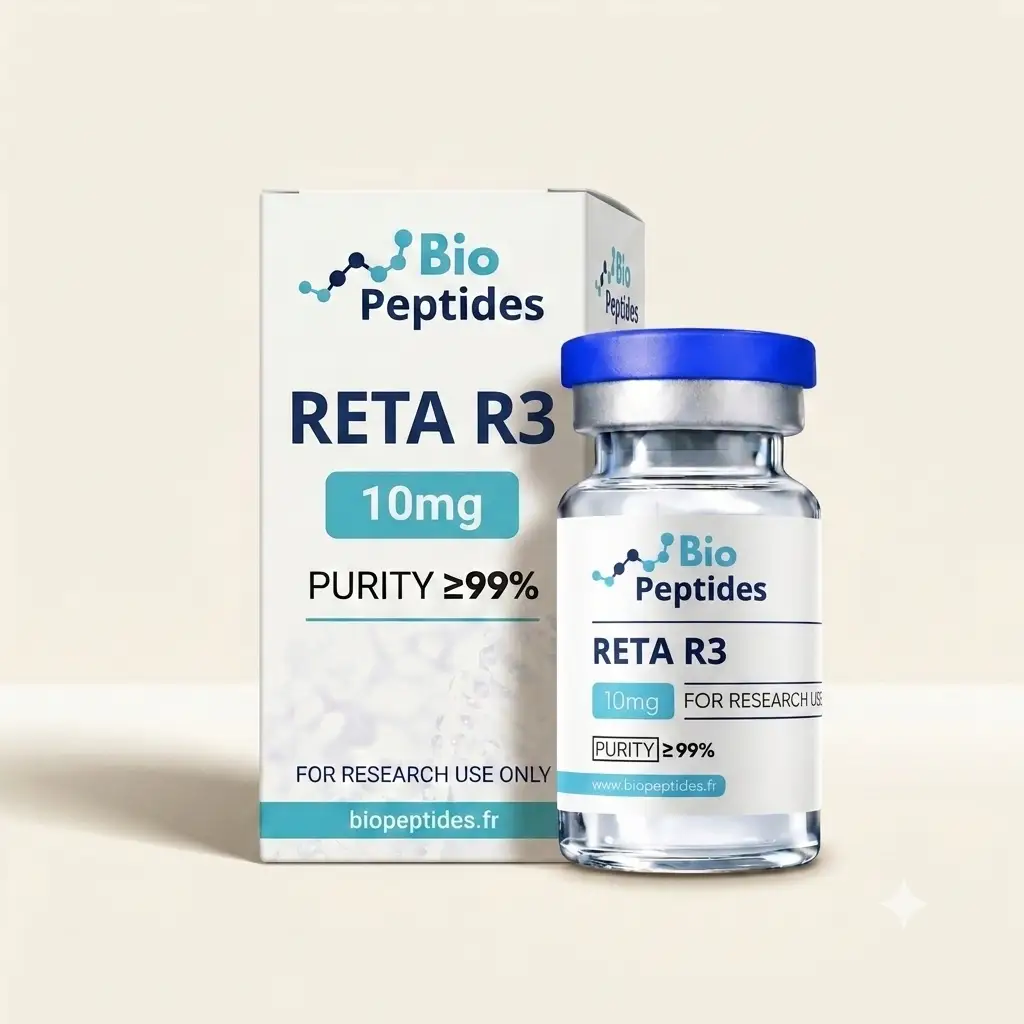
Reta-R3
Metabolic research peptide (LY-3437943) studied in a preclinical context.
Reta-R3
10 mg · 94,00 €
Description
Reta-R3 (LY-3437943) is a synthetic peptide studied in the research literature for its agonist profile on several metabolic receptors (GLP-1, GIP, glucagon). It is used as a research reagent in the laboratory for the study of metabolic pathways. Supplied lyophilised with an independent certificate of analysis. Intended exclusively for in vitro scientific research — not for human consumption, diagnosis or treatment of any disease.
Key points from the literature
- Latest-generation peptide studied in metabolic research
- Triple-agonist profile (GLP-1 / GIP / glucagon) documented in vitro
- Acylated structure — good solubility in aqueous solution
- Certificate of analysis (HPLC + MS) included with every batch
Research peptides — Research Use Only
- Not for human consumption
- Not for the diagnosis, treatment or prevention of any disease
Why this research peptide
Documented triple-agonism
The only research peptide studied in vitro for its simultaneous action on the GLP-1, GIP and glucagon receptors.
Solid scientific corpus
Works indexed on PubMed (NEJM, Cell Metabolism, The Lancet) covering metabolic pathways.
Excellent solubility
Acylated structure allowing clean dissolution in aqueous media, ideal for in vitro protocols.
Verified purity
HPLC + mass spectrometry analysis by an independent laboratory, certificate included with every batch.
Lyophilised stability
Lyophilised form stable for up to 18 months at -20°C, for long-term storage in the laboratory.
Discreet logistics
Plain parcel, delivery in 6 days, tracking included and neutral packaging.
What is Reta-R3?
Reta-R3 (LY-3437943) is a synthetic peptide developed in the context of metabolic research. Its distinctive feature, studied in the literature, is acting as an agonist of three metabolic receptors at once — GLP-1, GIP and glucagon — whereas most related peptides target only one or two. It is used in the laboratory as a reagent for studying metabolic pathways in vitro and in preclinical models. Lyophilised product supplied with an independent certificate of analysis, intended exclusively for scientific research — not for human consumption.
Reconstitution calculator
Pre-filled for this peptide. Adjust the water added and target dose to get the volume to draw.
Target dose
the amount of peptide targeted
0.25 mg
0.25 mg = 250 mcg (µg)
Vial dosage
total peptide mass, in mg
10 mg
Bacteriostatic water
reconstitution volume, in mL
2 mL
Calculation result
Draw the syringe to
5
units (U-100)
Volume
0.05
mL
Concentration
5
mg/mL
Draws / vial
40
Level on a U-100 graduated syringe
This vial lasts 40 weeks
Get your complete protocol
Personalised numeric summary + a printable step-by-step reconstitution procedure. We email it to you as a PDF.
Volumetric conversion tool for laboratory handling. Not any human or animal administration advice. Research use only.
Storage & handling
Product intended exclusively for scientific research in the laboratory. Keep in its original packaging until use.
Related products
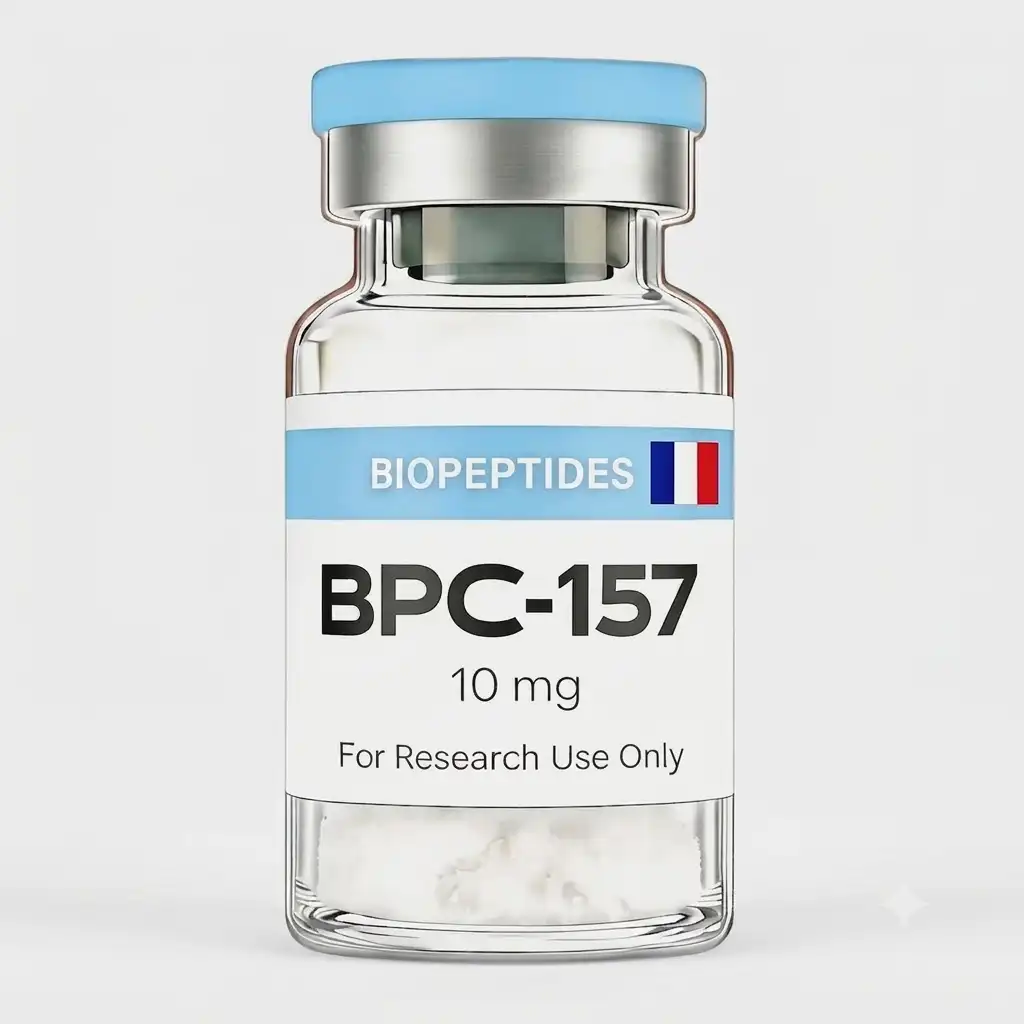
BPC-157
10 mg – 30 mgPeptide studied in preclinical research on tissue repair.
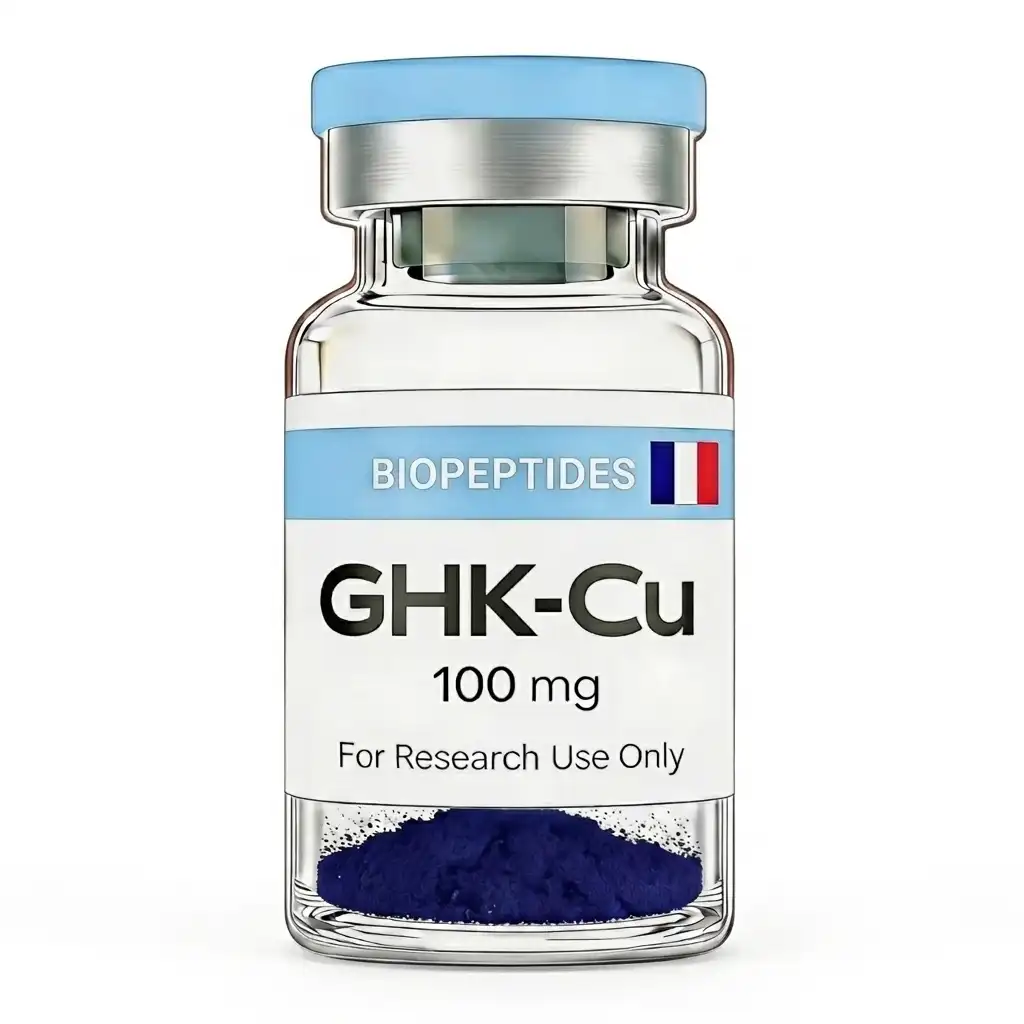
GHK-Cu
50 mg – 150 mgCopper tripeptide studied in in vitro dermatological research.
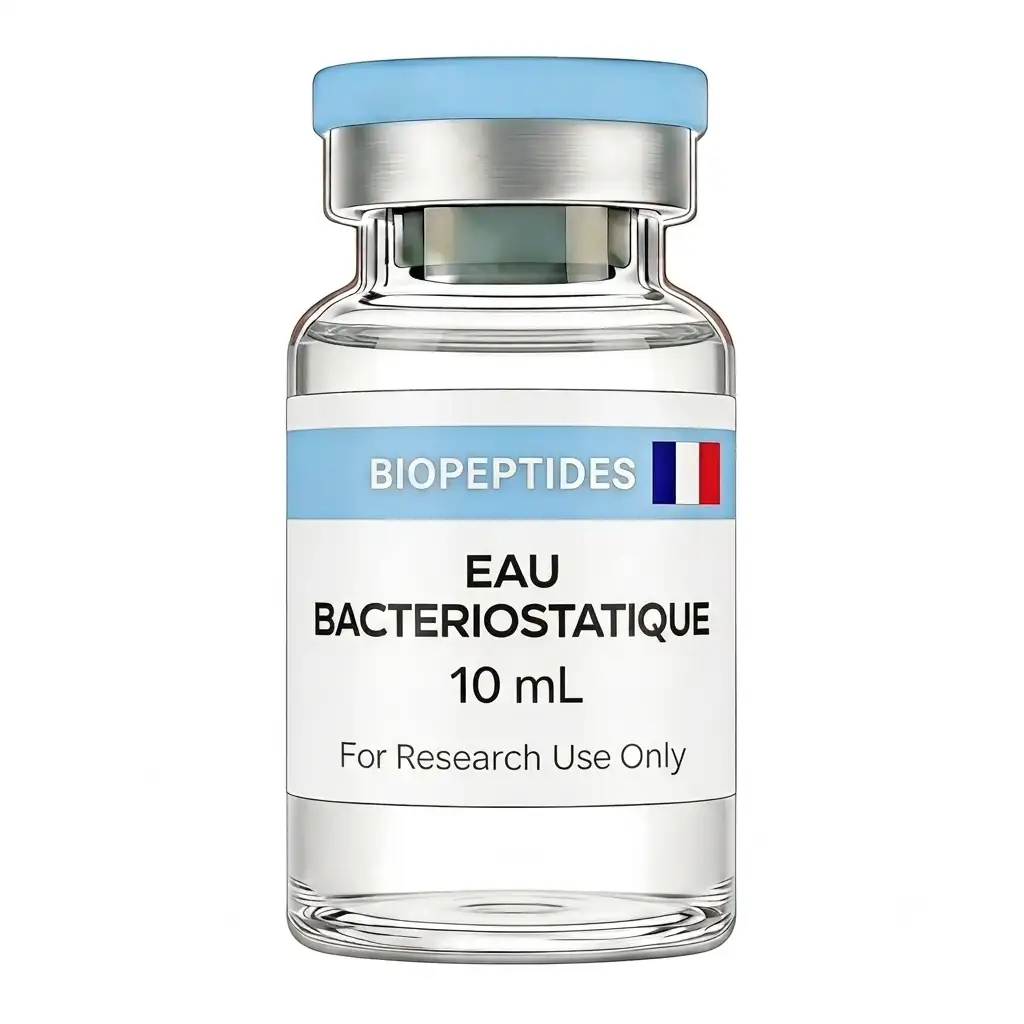
Bacteriostatic water
10 ml – 30 mlSterile USP solvent (0.9% benzyl alcohol) for reconstituting lyophilisates.
Published research data
The works below, indexed on PubMed, document the pharmacology of Reta-R3. They are cited as scientific context and do not constitute a product claim.
- 1
Cell Metabolism (2022) — PMID 35421379
Fundamental pharmacology of the GIP / GLP-1 / glucagon triple-agonism specific to Reta-R3.
- 2
New England Journal of Medicine (2023) — PMID 37366315
Phase 2 study on the compound's metabolic profile.
- 3
The Lancet (2023) — PMID 37385275
Phase 2 efficacy data on metabolic markers.
Mechanism studied in research
Publications describe a triple-agonist profile. The items below summarise the mechanism as observed in in vitro research models — for informational purposes only, with no intent of human use.
GLP-1 receptor
The most studied pathway of metabolic peptides, involved in the regulation of insulin signalling in laboratory models.
GIP receptor
Acts in synergy with the GLP-1 pathway in metabolic research models.
Glucagon receptor
Reta-R3's specificity: the addition of this pathway is the subject of in vitro studies on cellular energy metabolism.